
The cover story.B1
Apparel demand lives on the calendar. ÉDITION times digital advertising to the weeks your buyers actually shop, and it protects full-price sell-through while it does.
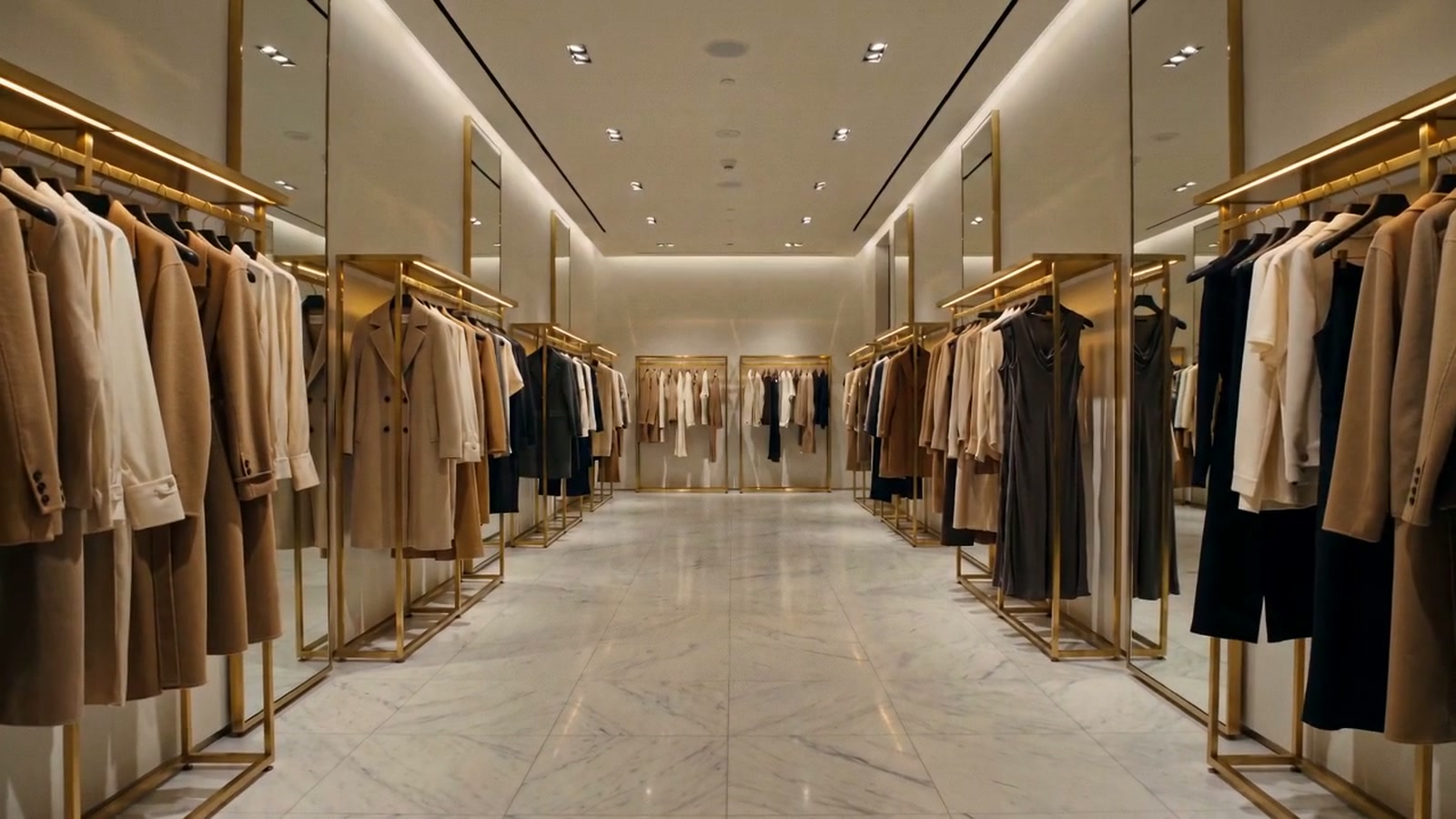
Fashion is calendar-bound retail. A collection lands, a capsule sells or it doesn't, and the discount lever waits at the end of every season like a tax on hesitation.
The department's job is simple to say and hard to do. Put the right pieces in front of the right people in the week they are shopping. More of the season then sells at the price you meant to charge.
Put your drop dates on the tableStores plus online. The job is a fuller fitting room in the weeks that decide the season.
Online-first. The job is full-price velocity without leaning on the discount lever.
The share sold before markdown. Media gets planned to protect it, not just to move units.
A modelled number, read against the drop calendar rather than the month.
Read at the collection level, where the buying decisions actually get made.
Demand gets built before the rack is full. Two or three weeks out, the desk buys reach and list growth. Video carries the collection story. Search quietly picks up the people already hunting for it.
Skip it and the bill arrives later. You end up buying attention and conversion in the same week, at the same auction, at the worst price of the season.
What changes budget leans to YouTube, CTV and paid social reach. Sales pressure stays off the creative.
Launch is where full-price sell-through gets won or lost. Search and Shopping go wide. Retargeting collects everyone who watched the story and waited. Performance Max carries the store goal into fitting rooms. A small claimable offer rides with it, so a walk-in can leave a record at the counter.
Keep the discount off the new collection. The first weeks of a drop are the stretch where people pay list price without being argued into it. Put that claimable offer on an accessory and keep it small, so the visit gets counted without the season getting marked down.
What changes spend concentrates hard and that small offer is the only discount anywhere on the account.
Mid-season is a sorting problem. Some styles are running, some aren't, and the media should stop pretending they're equal. Budget moves toward the sellers on a weekly read.
This is also where the size curve starts to break. Feeds get groomed at variant level so ads stop selling what's already gone.
What changes budget follows sell-through by style. Weak styles drop to a floor and winners get the room.
Markdown is a decision, and the good ones are narrow. Promote the styles that genuinely need clearing and leave the rest at full price with their own ads still running.
Blanket sale messaging trains your best customers to wait. The discount ends and the habit doesn't.
What changes clearance creative runs on named styles only. Full-price lines keep their own budget.
Put the crop list in the shoot brief. The season's photography arrives built for a wide lookbook page. Push that frame into a vertical feed and it sits inside grey bars, where the scroll goes right past.
A drop deserves its own page. Launch clicks that land on a homepage make the shopper hunt for the collection, and the ones who were only browsing give up. The page gets built before any media goes live.
The promotion ends. The assets don't, usually because nobody owned the end date. So the old offer keeps serving after the site has moved on, and the shopper arrives at a price the checkout won't honour. Every promotional asset gets its end date the day it goes up.
It changes the whole reading. The desk reports revenue after returns, because checkout-screen totals flatter whichever channel closed the click. Ask any platform to show you net and watch which campaigns quietly shrink.
Usually no, and owners argue with us about this one. Advertising the last few sizes burns budget and lands shoppers on a disappointment. Move the spend to the next drop and use the sellout as the story.
The feed catches it and the ads follow. Sold-out variants come out, the remaining sizes keep running, and the creative stops leading with a look you can't fulfill. If the whole style is gone, the budget moves that same week rather than at month end.
It sells. But it stopped being a set-and-forget channel years ago. Apparel needs new creative constantly, and the accounts starving their creative are usually the ones calling social dead. Read it blended against the week's total revenue rather than its own last click.
The thinking behind the department, published for owners.
Book the call before the next collection lands. Your drop dates set the schedule. The plan follows.